Thermal Window Inserts
November 2025
Tags: house
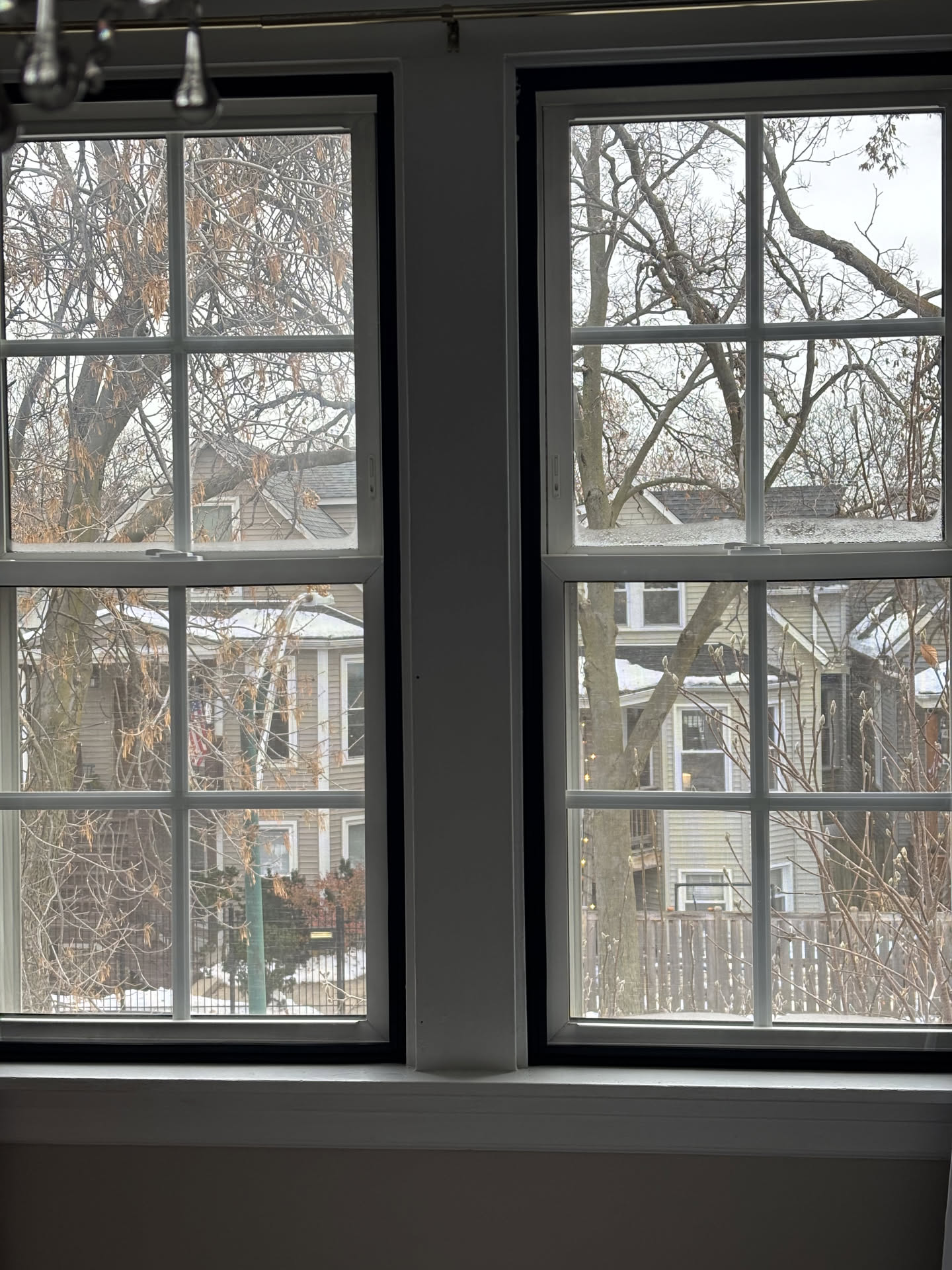
Mom, can we have Indows?
We have Indows at home.
Indows at home:
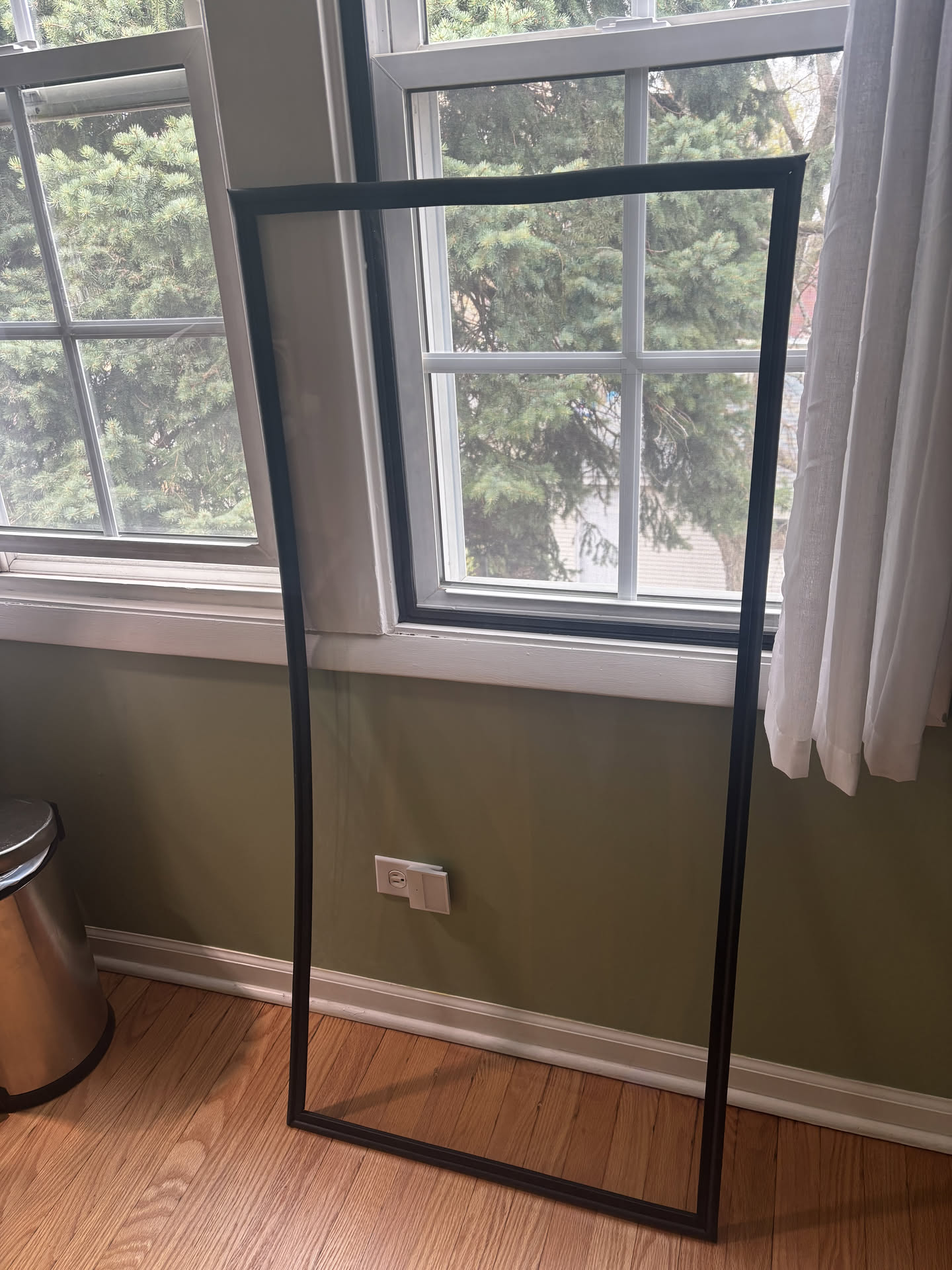
Most DIY thermal window frames I've seen include wood frames and tight tolerances to achieve a good seal. Despite being a woodworker, this sounded incredibly tedious to me. When researching I noticed Indows do not seem to have a frame at all, they are rather flexible and have a compressible edge seal that grips the window in place. Could I do the same?
Window Material
1/8" clear cast acrylic was my window material of choice, and had used it before. Petersen Plastics in Chicago will custom cut your order within 1/8" accuracy, I have done this a few times and found the cuts very accurate. With scraps and samples, I came up with this formula:
Acrylic Width = (Inner Window Dimension - (2 * Squish Factor) )
The squish factor for my bulb seal ended up at 5/8". To order the window material, I then rounded down to the nearest 1/8". This stuff cuts pretty well with a tracksaw, but I wanted to drop them in without making a bunch of cuts. Overall the gamble paid off, and I did not have to trim any of the sheets, and there was enough wiggle room to make everything fit nicely.
Seal Material
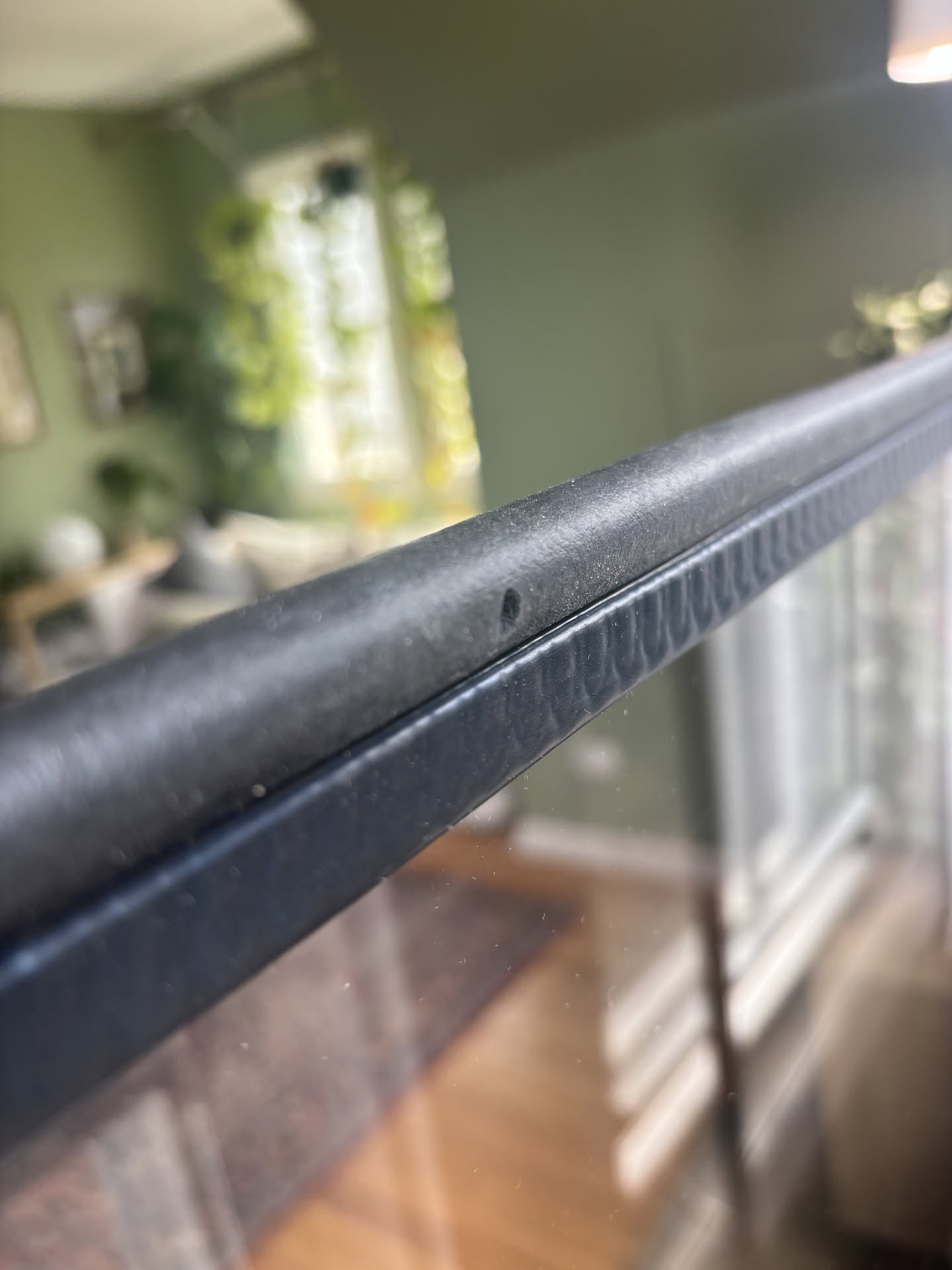
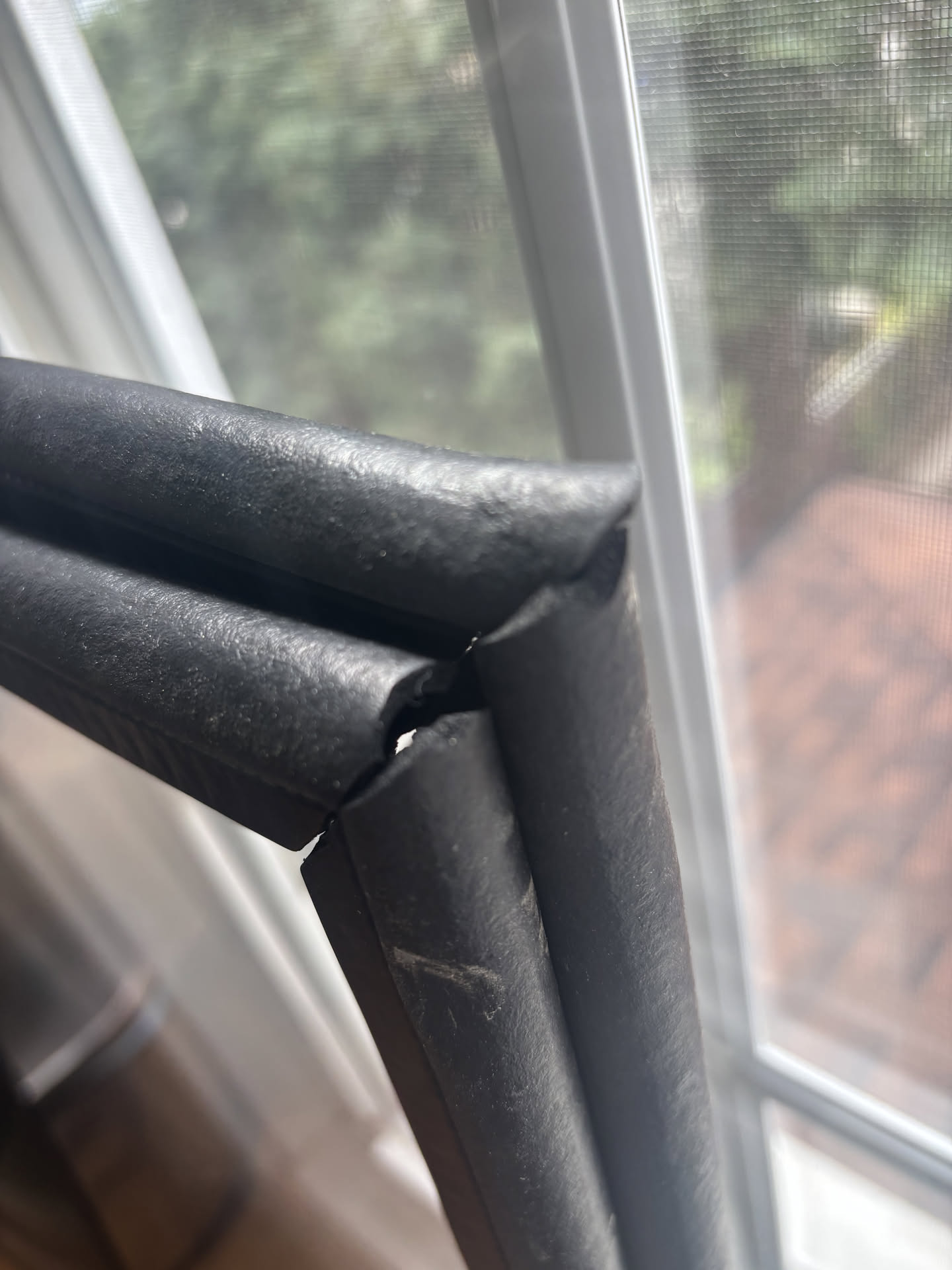
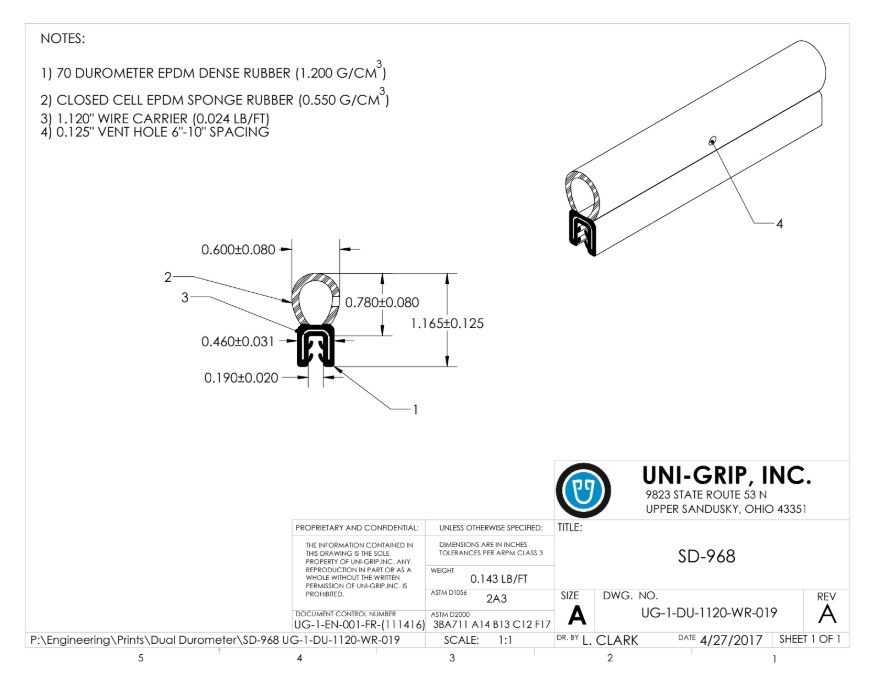
I used SD-968 bulb seal from Uni-Grip. They were very helpful in sharing options with me and sending samples. It is pretty good but not perfect for this application. It feels well made, and grips the plexiglass well, giving a bit of adjustability in the fit of the window in the frame. I could not find quality bulb seal without drainage holes on one side. I am considering sealing these up, but I think it still works as an air barrier. The corners are also a weak point of the design. I found a scrap of backer rod that fits snugly inside the bulb seal, so little right angle runs could be used to improve the corner seal.
The formula for amount of bulb seal to order was (2h + 2w) * 1.1 error factor. This error factor was pretty high, I had a lot left over.
Results
I am pleased with the transparency of the acrylic, it blends in and I don't really notice the extra material there. But to be fair, the same is true for a well-applied window film kit. The drafts are also noticeably better, but so does the film. The main advantages are the ability to pop them in and out whenever, and not needing to baby the fragile film all winter.
Cost
For my first batch, the average cost per window was $75. This was 5 windows of various sizes and 85 feet of bulb seal.